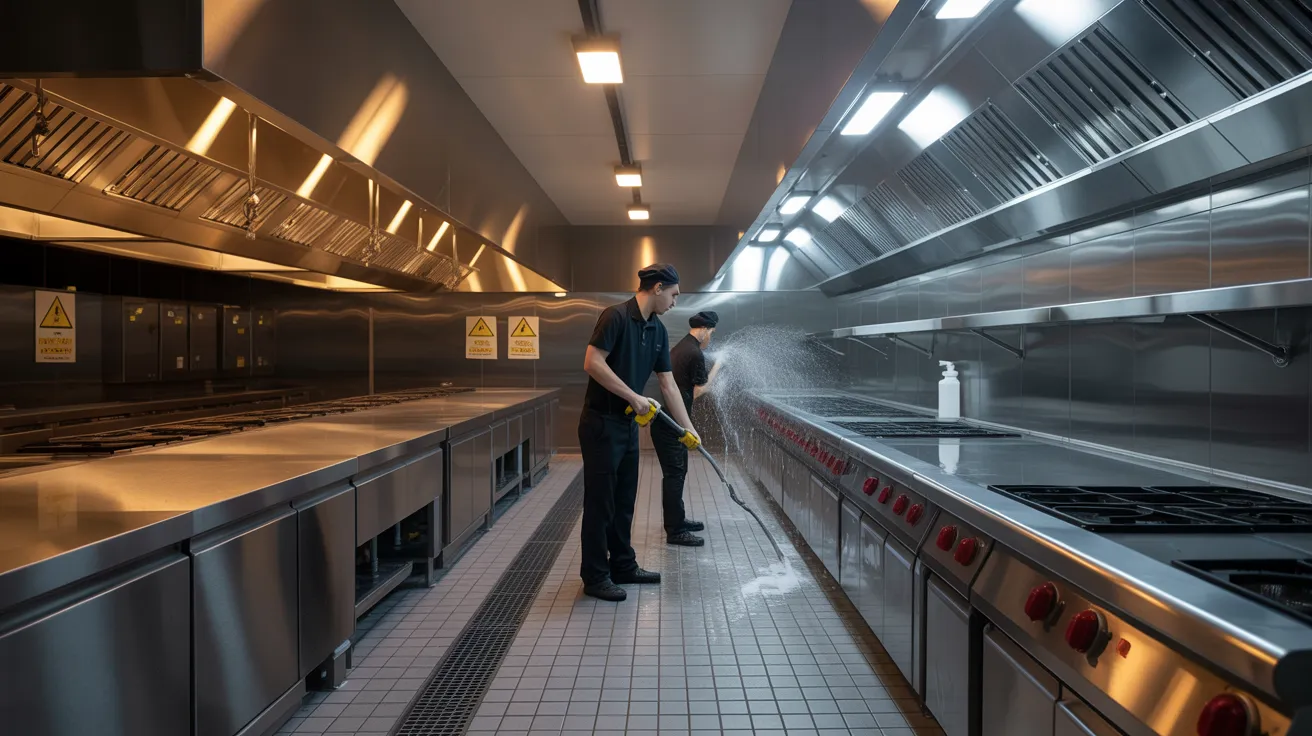
Brampton food safety and professional sanitation experts help you keep dining establishments, food distribution centers, baking facilities, warehouses, and food service vehicles clean to code. They disinfect high-touch points, food preparation areas, equipment, floors, drains, restrooms, and food prep areas using certified sanitizers, correct dilution, and verified exposure periods. in maintaining dining venues, commissaries, bakeries, warehouses, and mobile food operations in compliance. They disinfect high-touch points, food preparation zones, equipment, floors, drains, restrooms, and food handling zones using certified sanitizers, proper dilution, and recorded contact times.
Important Highlights
- Brampton food safety cleaning experts maintain restaurants, grocery departments, commissaries, warehouses, bakeries, schools, mobile vendors, and allergen-sensitive operations.
- High-touch surfaces, food-contact equipment, kitchens, floors, drains, restrooms, and storage areas are treated using compartmentalized approaches to reduce cross-contamination.
- Checking of proper chemical concentration, suitability, and contact time is executed by qualified specialists, with finishing documented using swabs, inspections, and correction logs.
- Proper maintenance schedules consider hazard, throughput, transitions, accidents, and requirements when assigning regular, weekly, and cyclical tasks by location.
- Protection, colour-coded tools, HACCP, health regulatory expertise, safety training education, references, and inspection-ready sanitation paperwork are essential vendor qualifications.
What Brampton Operations Require Food Safety Cleaning?
Food safety cleaning is necessary for any Brampton facility that processes, stores, prepares, packages, or serves food. Apply it to your business if it meets the criteria for public health review, food regulations, or HACCP protocols. This includes eateries, cafes, warehouses, supermarket areas, meat markets, fish stands, convenience outlets, and institutional food areas.
Documented food safety measures proves essential in warehouses, food manufacturing plants, cold storage discover details on sites, retail bakeries, school nutrition programs, banquet halls, and meal delivery hubs. Temporary mobile establishments apply similarly, examples being catering vehicles, festival vendors, and pop-up establishments. Your establishment needs documented cleaning protocols if your workers process ingredients, portion ready-to-eat items, reheat products, or store allergens. In Brampton, food safety stays discretionary; it represents legal, operational, and consumer protection compliance.
Which Areas Do Brampton Cleaning Experts Cover?
You require experienced cleaning professionals who sanitize frequently touched areas, kitchen spaces, flooring, and bathrooms to ensure compliance with food safety and health standards. These areas are targeted because they carry the greatest contamination risk, slip and fall dangers, and regulatory breaches.
By knowing exactly what gets cleaned, you can make sure your facility's cleaning procedures satisfy all operational and regulatory requirements.
Prioritizing High-Touch Surface Cleaning
assign how frequently each area is cleaned
ensure successful cleaning
Cooking Zones, Walking Surfaces, and Restroom Environments
Expect Brampton cleaning experts to target kitchens, floors, and restrooms because each area carries unique food safety, accident prevention, and public health risks. In industrial kitchens, you need degreasing on cook lines, equipment exteriors, drains, prep surfaces, and splash zones to minimize contamination and pest pressure.
You should also expect documented floor care. is likewise provided as part of the service.
In restrooms, cleaners disinfect touchpoints, fixtures, partitions, dispensers, and waste containers then refill supplies and eliminate odor. They also maintain restaurant cleaning supply rooms where product storage, sink cleanliness, and drain systems impact daily sanitation standards and worker protection.
The Importance of Food Safety Cleaning in Brampton
Brampton operations require food-safe cleaning standards to fulfill compliance obligations and pass audits. You also minimize bacterial spread through proper cleaning of food-preparation surfaces, appliances, and frequently-touched items. Most importantly, you help protect community wellness by reducing the chance of food poisoning in your establishment.
Health Code Compliance
Because Brampton food companies operate under strict public health standards, food safety cleaning directly influences your competence to adhere to health code requirements, defend customers, and eliminate enforcement action. You must maintain sanitized food contact points, recorded sanitation plans, safe chemical management, and documented employee protocols that align with municipal and provincial inspection expectations.
Should your cleaning standards slip, you risk infractions, remedial directives, public perception issues, and possible interruption to service during follow-up inspections or enforcement reviews.
Cross-Contamination Avoidance
Meeting health code standards also depends on your capacity to stop cross-contamination during routine food preparation and sanitation. You must separate raw ingredients from ready-to-eat foods, sanitize prep surfaces between tasks, and keep cleaning products separate from food areas. Clear procedures reduce transfer risks and ensure ongoing adherence to health checks.
You should establish allergen separation to prevent major allergens from touching shared surfaces, containers, or equipment. Use dedicated cutting boards, color-coded tools, and strict utensil labeling so employees avoid combining products throughout cooking or serving. Mandate washing hands following uncooked proteins, shellfish, egg items, or allergen products. Change cleaning rags frequently, and verify sanitizer strength with test strips. When you train staff to follow these controls each work period, you create a cleaner, safer operation that satisfies Brampton's safety standards consistently.
Public Health Defense
When food safety cleaning weaken, you don't only risk a failed inspection—you raise the likelihood of foodborne illness affecting customers, staff, and the larger Brampton community. You also weaken your role in safeguarding community wellness, especially in high-traffic food premises where contamination can spread quickly through surfaces, equipment, and touchpoints.
You must implement sanitation protocols that remove soils, properly disinfect, and verify results. This involves maintaining exposure times, utilizing authorized sanitizers, recording schedules, and training employees to fulfill health-unit expectations. These actions support pathogen control by reducing microbes before contaminating food or hands. In Brampton, effective cleaning shields vulnerable populations, minimizes disease spread, and proves your diligence. When you adhere to proper protocols, you exceed requirements—you substantially reduce risk and promote secure food service throughout the city.
Why Is Cleaning Essential for Food Safety Compliance?
Upholding strict sanitation practices backs food safety compliance by reducing contamination risks, controlling pathogen growth, and positioning your facility in accordance with sanitation requirements under HACCP-based programs and public health regulations. You confirm that contact surfaces stay visibly clean and microbiologically controlled, enabling documented preventive controls and inspection readiness.
Rigorous cleaning standards also strengthen allergen prevention by extracting residues that can cause undeclared allergen exposure.
When Do You Plan Commercial Cleaning?
cleaning routines or between shifts wherever food-contact areas, washrooms, and frequently touched surfaces
Schedule drains, ventilation, storage racks, and hard-to-reach areas every week or every month, based on inspection results and sanitation documentation.
What Should You Look For in Brampton Cleaning Experts?
Start by screening providers against food sanitation standards, not price alone. You should verify that each company understands CFIA, public health, and HACCP-aligned expectations relevant to your facility. Ask for insurance documentation, WHMIS compliance, documented staff training, and supervision practices. Review whether technicians understand contamination prevention, chemical handling, and traceable sanitation records.
You must also evaluate operational reliability and accountability. Seek references from Brampton food companies, then assess response speed, corrective processes, and communication standards. Ensure the company supports supplier audits and can provide inspection-ready documentation when authorities or third parties demand verification. Verify equipment is maintained, color-coded items are deployed correctly, and site-specific hazards are understood. A reputable service safeguards compliance, product safety, and your brand reputation.
What details should a Food Safety Cleaning Plan include?
Create a documented strategy that clearly outlines every sanitation task, standard, and responsibility before production starts. You should document cleaning schedules, authorized products, mixing ratios, exposure periods, equipment, and testing procedures for each zone, surface, and piece of equipment. Don't forget to add pre-operational inspections, corrective actions, and employee training requirements.
Your plan should also address cross-contamination controls, waste handling, pest-prevention measures, and documented schedules for restrooms, drains, floors, and food-contact areas. Outline how you'll distinguish between uncooked and prepared items, facilitate ingredient tracking, and maintain accurate allergen labeling through validated cleaning between product changes. You should establish accountability, document signed records, and assess results against regulatory standards, HACCP controls, and customer requirements. When gaps appear, modify procedures immediately and instruct staff.
Regular Posed Inquiries
Can cleaning services accommodate overnight shifts in Brampton facilities?
Yes, you can arrange sanitation coverage to support nighttime operations in Brampton facilities. You'll coordinate overnight sanitation around operational schedules, security measures, and staffing requirements. Providers typically map overnight procedures to minimize interruption, maintain compliance, and document completed tasks. You should confirm response times, oversight, lockout procedures, and disposal methods before service begins.
Will sanitation professionals address emergency spills?
Yes, you can find many Brampton sanitation experts offering spill containment options. They handle contamination, evaluate risks, isolate zones, and execute rapid cleanup to minimize risk and limit operational impact. You should confirm timeframes, certifications, protocols, and disposal methods. If your facility needs compliance, pick a provider that documents incidents, maintains standards, and supports audits.
Are eco-friendly disinfectants safe for food-handling equipment?
Absolutely, natural disinfectants prove to be appropriate for food-handling equipment when you opt for items marked food-safe and regulatory compliant. You must check exposure duration, dilution rates, and rinse requirements ahead of deployment. Plant-derived products reduce harsh chemical exposure, though you should gather proof of efficacy against harmful bacteria. For keeping surfaces residue-free, follow manufacturer directions precisely and validate your cleaning agent satisfies food sanitation requirements.
Do cleaning schedules allow for seasonal production changes?
Without question, cleaning schedules are highly adaptable for production fluctuations. Modify timing, staffing, sanitizers, and testing procedures to correspond to operational cycles while sustaining regulatory compliance. Decrease operational delays by planning disinfection around equipment transitions, peak volumes, and operational patterns. Also update written procedures, staff education, and monitoring protocols to account for seasonal hazards, additional allergens, or increased soil loads. Periodic assessments ensure the strategy effective.
Are professional cleaning companies offering staff training on hygiene protocols?
Indeed, professional cleaners often offer employee coaching on sanitation best practices. Your team receives training on safe chemical application, contact times, preventing cross-contamination, equipment disassembly, and documentation. They generally adhere to training with HACCP, GMP, and CFIA or local public health criteria. Many perform compliance inspections to verify compliance, reveal issues, and reinforce corrective actions. This supports you in maintain consistent procedures, achieve compliance, and decrease foodborne illness risks on a daily basis.
Final Thoughts
Through engaging Brampton food safety and commercial cleaning specialists, you do far more than tidy—you ensure your facility for inspections and your procedures meet requirements. From kitchen spaces to processing areas, all maintained surfaces and organized zones reduce contamination risks and prevent significant costs. Through booking service on suitable timelines and sticking to a solid cleaning plan, you safeguard your team, your patrons, and your good name. Within strict regulatory frameworks, clean conditions cannot be considered optional—they represent good business practice.